
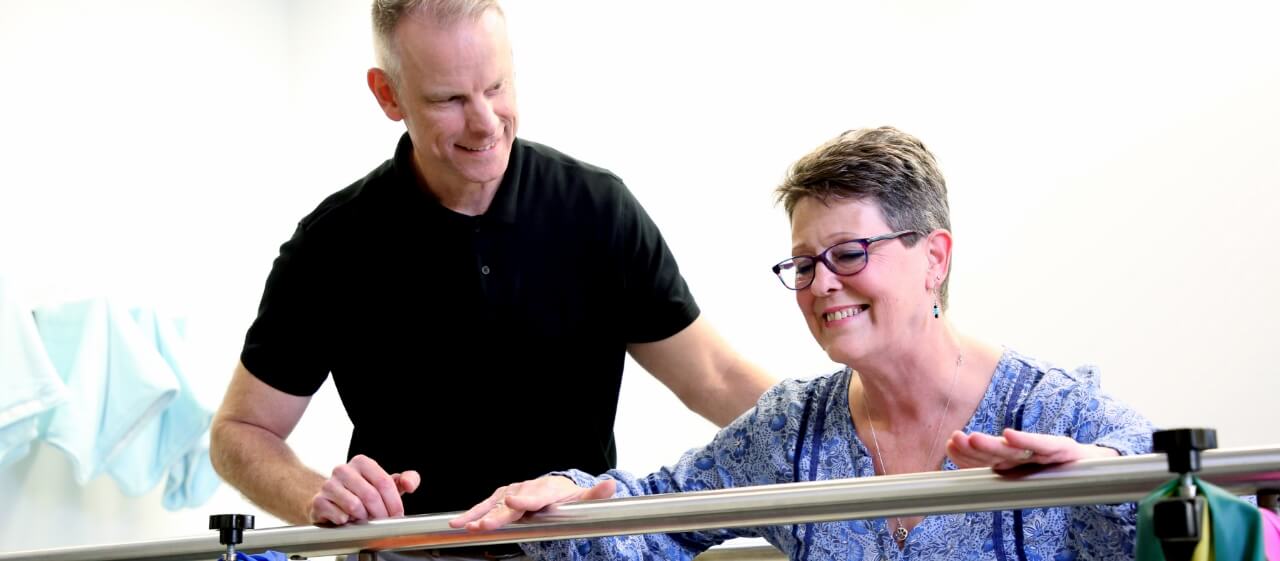
How Physical Therapy Can Help Relieve Foot Pain

Foot pain is more than just discomfort—it can affect mobility, independence, and overall quality of life. Whether it’s a dull ache, sharp pain, or persistent soreness, foot pain makes it difficult to walk, stand, or engage in daily activities comfortably. Many people assume foot pain will go away on its own, but ignoring it can lead to worsening symptoms and long-term complications. Fortunately, physical therapy at Renue Physical Therapy is an effective solution for foot pain relief by addressing the root cause of pain, improving mobility, and preventing future issues. By working with one of our physical therapists, patients receive targeted treatments that restore function, reduce pain, and promote long-term foot health.
Frequently Asked Questions About Foot Pain and Physical Therapy
1. What Causes Foot Pain, and When Should I See a Physical Therapist?
Foot pain can develop from various conditions, injuries, and lifestyle factors. Some of the most common causes include:
Plantar fasciitis
- Inflammation in the tissue supporting the arch, causing sharp pain in the heel, especially in the morning.
Heel Spurs
- Calcium deposits forming under the heel bone, leading to discomfort during movement.
Tendonitis
- Overuse or improper footwear can lead to tendon inflammation, affecting movement and stability.
Arthritis
- Joint inflammation causes stiffness, swelling, and reduced range of motion.
Foot injuries
- Sprains, fractures, or stress-related conditions can weaken foot stability and limit mobility.
If foot pain lasts longer than a few weeks, worsens with activity, or affects your ability to walk or stand, it’s time to see a physical therapist for foot pain relief. Without proper treatment, foot pain can lead to compensatory issues in the knees, hips, and lower back.
2. How Does Physical Therapy Help with Foot Pain Relief?
Physical therapists use evidence-based treatments to restore movement, relieve pain, and improve strength. A personalized physical therapy program may include:
Manual Therapy
- Hands-on techniques to reduce joint stiffness and improve foot mobility.
Stretching and Mobility Exercises
- Designed to maintain flexibility and prevent tightness in the foot and ankle.
Strength Training
- Focuses on the muscles supporting the foot and lower leg to enhance stability.
Gait Retraining
- Helps correct walking mechanics and weight distribution to reduce pressure on painful areas.
Balance and Proprioception Training
- Improves coordination and foot control, reducing the risk of falls or re-injury.
Physical therapy not only helps you find foot pain relief, it also prevents future problems by addressing movement patterns and strengthening the foot’s natural support system.
3. Will I Need Special Equipment or Orthotics?
Not everyone needs orthotics—physical therapy strengthens and stabilizes the foot naturally.
A physical therapist assesses foot structure, walking mechanics, and pressure distribution to determine if orthotics are necessary.
In many cases, mobility and strengthening exercises provide enough support without the need for external devices.
If footwear adjustments are needed, therapists provide guidance on supportive shoes that promote proper alignment and comfort.
Orthotics can be helpful for certain conditions but shouldn’t be the only treatment approach—strengthening and movement correction remain essential.
4. Can Physical Therapy Help Prevent Future Foot Pain?
Yes! Preventing foot pain is just as important as treating it. A physical therapist helps by:
- Teaching proper foot mechanics to reduce strain.
- Identifying movement imbalances that contribute to foot pain.
- Providing stretching and strengthening exercises to maintain flexibility and stability.
- Recommending proper footwear to enhance comfort and foot function.
- Helping patients gradually return to activities while avoiding overuse injuries.
By understanding movement patterns and making adjustments early, patients reduce their risk of developing chronic foot pain in the future.
5. How Long Does It Take to See Foot Pain Relief?
Some patients feel relief within a few sessions, while others require several weeks of consistent therapy.
Recovery depends on pain severity, underlying conditions, daily activity levels, and adherence to the treatment plan.
A therapist monitors progress and adjusts treatments as needed to ensure steady improvement in pain relief and mobility.
Patients who stay consistent with their therapy exercises experience longer-lasting relief and a lower chance of recurrence.
Physical therapy provides a step-by-step approach to healing, ensuring sustained progress without relying on short-term fixes.
Final Takeaway: A Step Toward Lasting Foot Pain Relief
Ignoring foot pain can lead to long-term discomfort, loss of mobility, and secondary issues in the legs, knees, or back. Physical therapy is a safe, effective way to relieve pain, restore function, and prevent future problems.
At Renue Physical Therapy, our physical therapists create personalized treatment plans tailored to your specific foot condition, lifestyle, and recovery goals. Through hands-on care, movement training, and strength-building exercises, we help patients regain pain-free movement and confidence in their daily activities.
If you’re looking for long-term foot pain relief, contact Renue Physical Therapy in Michigan today to schedule an appointment and start your recovery journey toward healthier, stronger feet.