
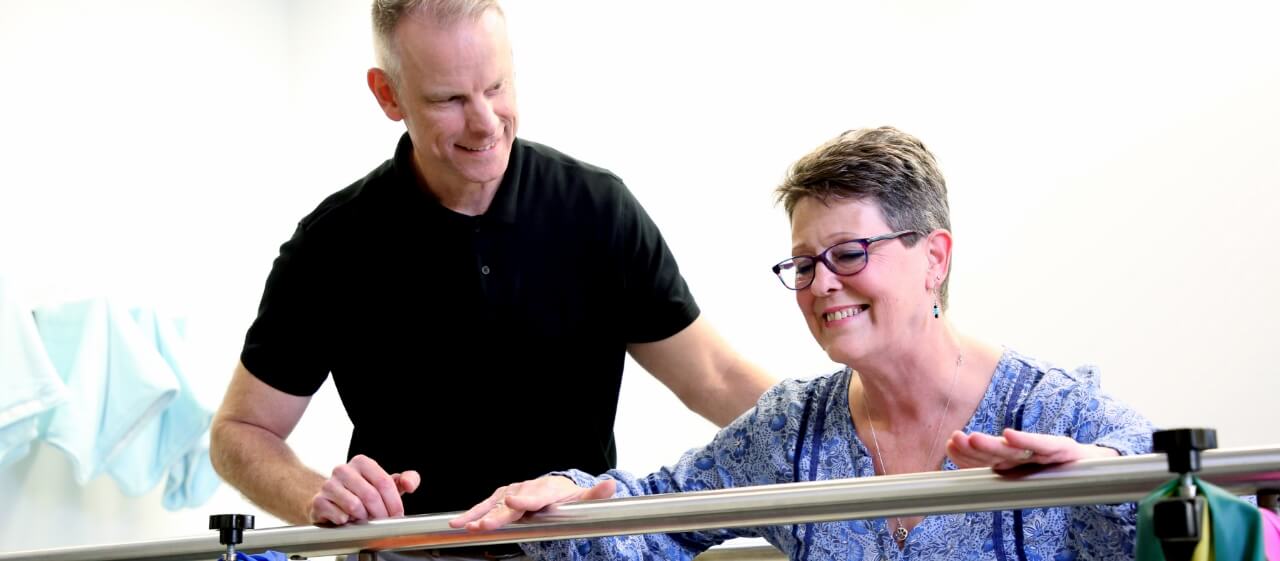
Unlocking Non-Surgical Techniques for Knee Pain Relief
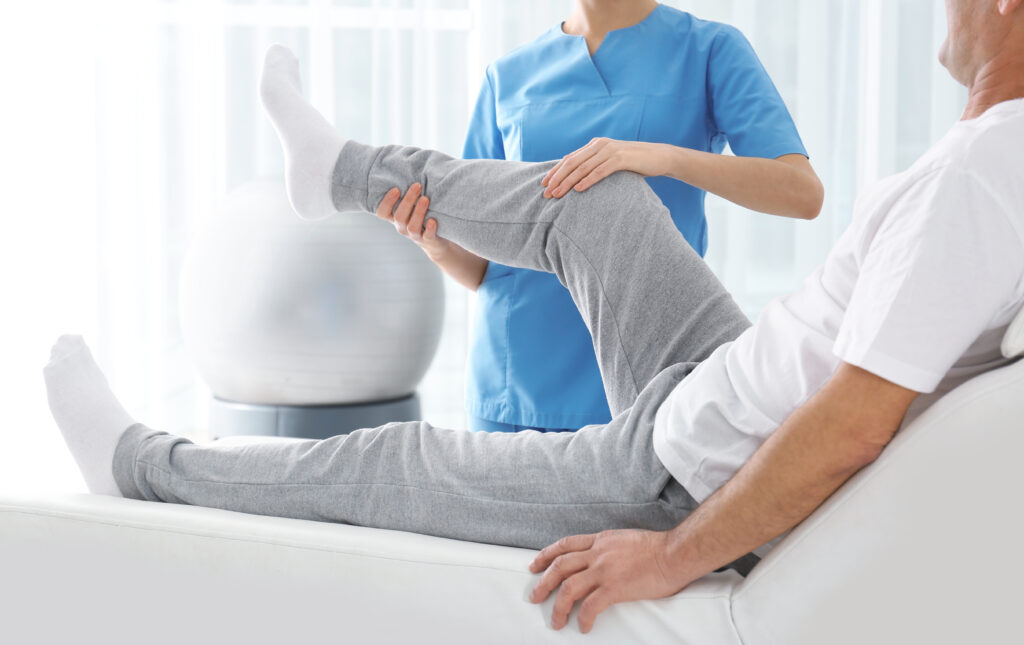
Knee pain can make everyday activities, from climbing stairs to enjoying a walk, feel like a challenge. While surgery is sometimes necessary, many patients find effective results with conservative care. If you’re seeking options for non-surgical knee relief, physical therapy and lifestyle adjustments provide proven strategies to reduce discomfort and restore mobility. Below are practical techniques that help patients manage knee pain without an operation.
10 Ways to Achieve Non-Surgical Knee Relief
1. Strengthening the Right Muscles
Weakness in the quadriceps, hamstrings, and hip muscles can place extra stress on the knee joint. Physical therapy programs focus on strengthening these areas to provide better support, improve alignment, and reduce pain during movement.
2. Improving Flexibility
Tight muscles around the knee can restrict motion and increase strain. Stretching the hamstrings, calves, and hip flexors restores balance and relieves tension. Flexible muscles allow the joint to move more smoothly during daily activities.
3. Joint Mobilization Techniques
Hands-on therapy, such as gentle joint mobilization, can reduce stiffness and improve range of motion. These techniques are often combined with exercise to restore smoother movement patterns and decrease discomfort.
4. Posture and Movement Training
Sometimes, knee pain stems from how the body moves. Therapists analyze walking, standing, and sitting patterns to identify imbalances. Learning proper alignment during daily tasks can protect the knees and reduce pain over time.
5. Exercise as a Tool for Non-Surgical Knee Relief
Low-impact activities like swimming, cycling, or walking keep the joints moving without adding extra stress. Regular exercise not only maintains strength but also supports circulation and joint lubrication. These routines are tailored by therapists to match each patient’s tolerance and goals, making them an essential part of non-surgical knee relief.
6. Balance and Stability Training
Poor balance increases the risk of falls and joint strain. Exercises that target core strength and stability improve coordination, helping patients feel safer and more confident in movement.
7. Weight Management for Joint Protection
Excess body weight adds extra pressure to the knees with each step. Even small reductions in weight can significantly decrease joint stress. Therapists often provide guidance on safe, sustainable activity to support this process.
8. Activity Modification
Instead of avoiding all movement, therapists encourage patients to adjust activities to reduce strain. This may mean using supportive footwear, avoiding repetitive deep squats, or pacing high-impact sports. These changes allow patients to stay active while protecting the knees.
9. Home Exercise Programs
A structured home exercise plan reinforces progress made in therapy sessions. By consistently practicing assigned movements, patients build strength and flexibility that support long-term comfort.
10. Manual Therapy for Pain Reduction
In addition to mobilization, therapists may use soft tissue techniques to relieve tension in surrounding muscles. This hands-on care helps improve circulation, reduce pain, and prepare the body for exercise.
Long-Term Benefits of Conservative Care
The goal of therapy is not just to reduce pain temporarily but to build lasting resilience in the knee joint. Patients who stick with their program often notice:
- Improved mobility and function
- Less pain with everyday tasks
- Greater independence in physical activity
- Confidence that they can manage their condition without relying on surgery
Move Forward With Confidence
Living with knee pain does not have to mean surgery is the only answer. By focusing on strength, mobility, and daily habits, patients often experience significant improvement through conservative care.
Take Action for Lasting Relief
If you are searching for safe, effective options for non-surgical knee relief, the team at Renue Physical Therapy is here to help. Our therapists design customized programs that reduce pain, restore movement, and support long-term joint health. Contact Renue Physical Therapy in Michigan today to schedule your evaluation and take the first step toward stronger, healthier knees.