
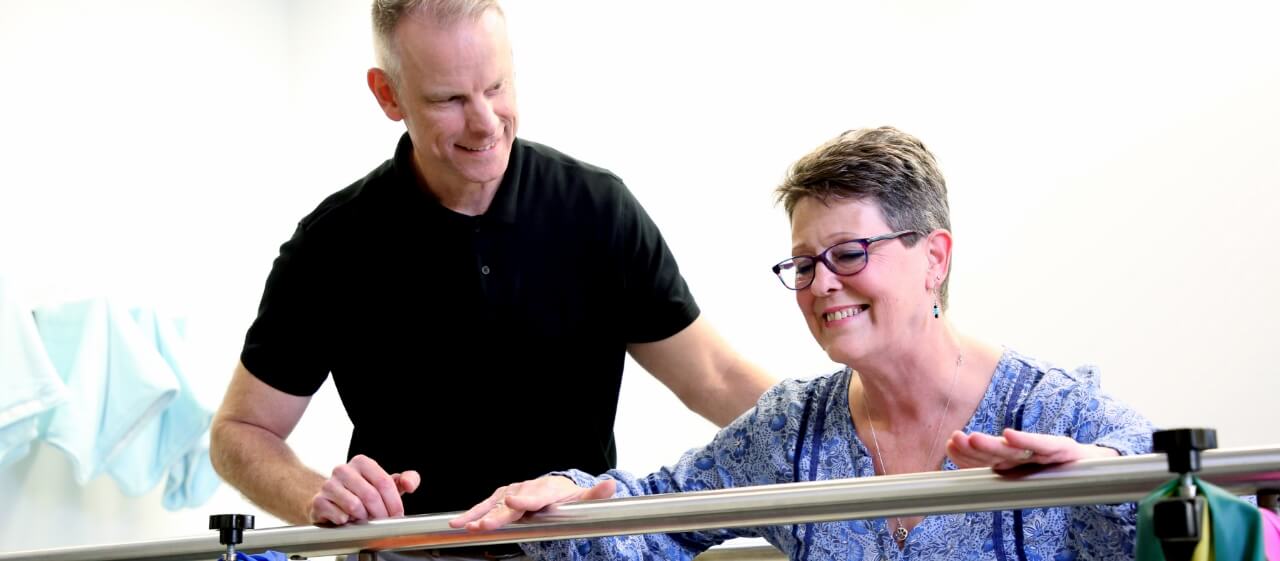
Recognizing the Symptoms of Lower Back Pain
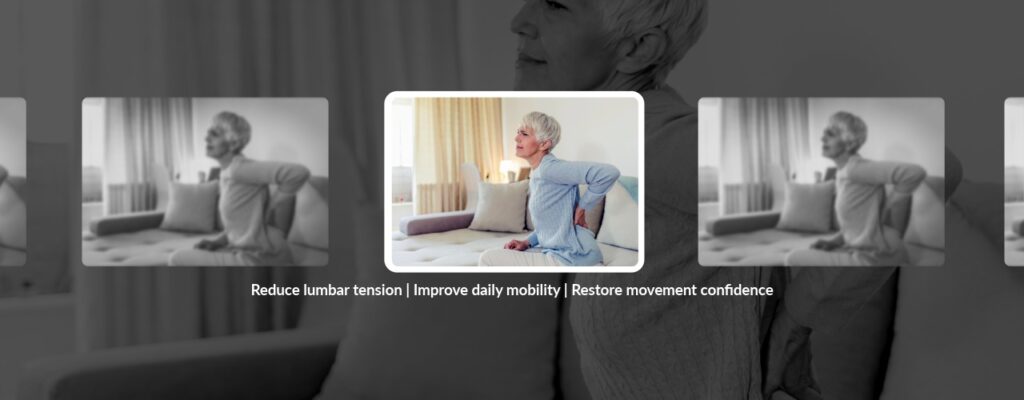
Lower back pain symptoms are something most adults will experience at some point, but recognizing them early and understanding what they mean can make a real difference in how well you stay active and functional over time. Keep reading if you’d like to get ahead of the problem, understand what to watch for, and take practical steps before back pain begins to interfere with daily life.
Who Is at Higher Risk?
Lower back pain does not affect everyone equally. Certain factors increase the likelihood that back pain will develop or become persistent. People who spend long hours sitting, whether at a desk, behind a wheel, or on a couch, place sustained load on the lumbar spine that builds over time. Those in physically demanding jobs that involve repetitive lifting, twisting, or prolonged standing face a different but equally significant set of pressures. Athletes and active individuals who increase their training too quickly or who have gaps in core and hip strength also carry a higher risk. Age-related changes in the spine, a history of previous back episodes, and periods of reduced activity followed by sudden increases in demand are all common contributors.
Small Warning Signs People Ignore
Many people dismiss early lower back pain symptoms as normal tiredness or the result of a long day. These subtle signals are worth paying attention to:
- Stiffness in the morning that takes longer than usual to ease with movement
- A feeling of heaviness or tightness in the lower back after sitting for extended periods
- Reduced confidence when bending forward or reaching low
- A tendency to shift or fidget frequently to find a comfortable position
- Mild discomfort that appears during or after specific activities and then quietly fades
These signs do not always mean something serious is developing, but they do indicate that the body is under more stress than it can comfortably manage.
If you have noticed any of these signals and want a clearer picture of what is driving them, contact Renue Physical Therapy to schedule an evaluation.
Common Triggers That Increase Stress on the Spine
Understanding what loads the lower back helps explain why symptoms often appear at predictable times.
- Prolonged sitting compresses the lumbar discs and shortens the hip flexors, both of which increase strain on the spine.
- Sudden changes in activity level, such as returning to sport after time off or taking on a new physical hobby, place demand on structures that are not yet prepared for the load.
- Stress and poor sleep reduce the body’s ability to recover from everyday physical demands and can lower the threshold at which pain is felt.
- Carrying weight unevenly, whether a heavy bag on one shoulder or an infant on one hip repeatedly, creates asymmetrical load patterns that build over time.
A Prevention Plan That Supports a Healthy Back
Building habits that protect the lower back does not require a complicated routine. Practical strategies that make a real difference include:
- Varying your position throughout the day rather than staying in one posture for long stretches
- Prioritizing sleep quality and managing stress through consistent daily routines
- Strengthening the core and hip muscles through regular movement that fits your lifestyle
- Warming up before physical activity rather than jumping straight into full effort
- Wearing supportive footwear during prolonged standing or walking
- Staying generally active with low-impact movement that keeps the spine mobile and the surrounding muscles engaged
- Addressing stiffness early with gentle movement rather than waiting for it to resolve on its own
What the Evaluation at Renue Physical Therapy Looks For
When lower back pain symptoms do appear, a thorough evaluation helps identify what is driving them before they become more limiting. One of our physical therapists at Renue Physical Therapy assesses how the lumbar spine moves and where restriction or discomfort occurs. Core and hip strength are evaluated to identify patterns that may be increasing spinal load. Movement quality during functional tasks is observed to understand how the body is managing everyday demands. The evaluation also looks at posture and how the spine is being loaded during the activities most relevant to your daily life.
How Physical Therapy Treatment Helps When Prevention Becomes Care
When early action gives way to the need for hands-on care, the team at Renue Physical Therapy builds a plan focused on restoring function and reducing the risk of recurrence:
- Manual therapy addresses joint stiffness and soft tissue tension that limit movement and contribute to pain.
- Therapeutic exercise targets the specific strength and coordination gaps identified during the evaluation.
- Movement and postural education help patients understand what is loading their spine and how to modify daily habits.
The goal is not just to reduce symptoms but to build a back that handles the demands of your life with confidence.
Your Next Step Starts Here
At your first visit to Renue Physical Therapy, your physical therapists will take time to understand your history, your daily demands, and what you want to protect or get back to. The evaluation is thorough, practical, and focused on finding the real drivers of your symptoms. Contact Renue Physical Therapy in Michigan to schedule an evaluation of your lower back pain symptoms and take a proactive step toward a stronger, more resilient back.