
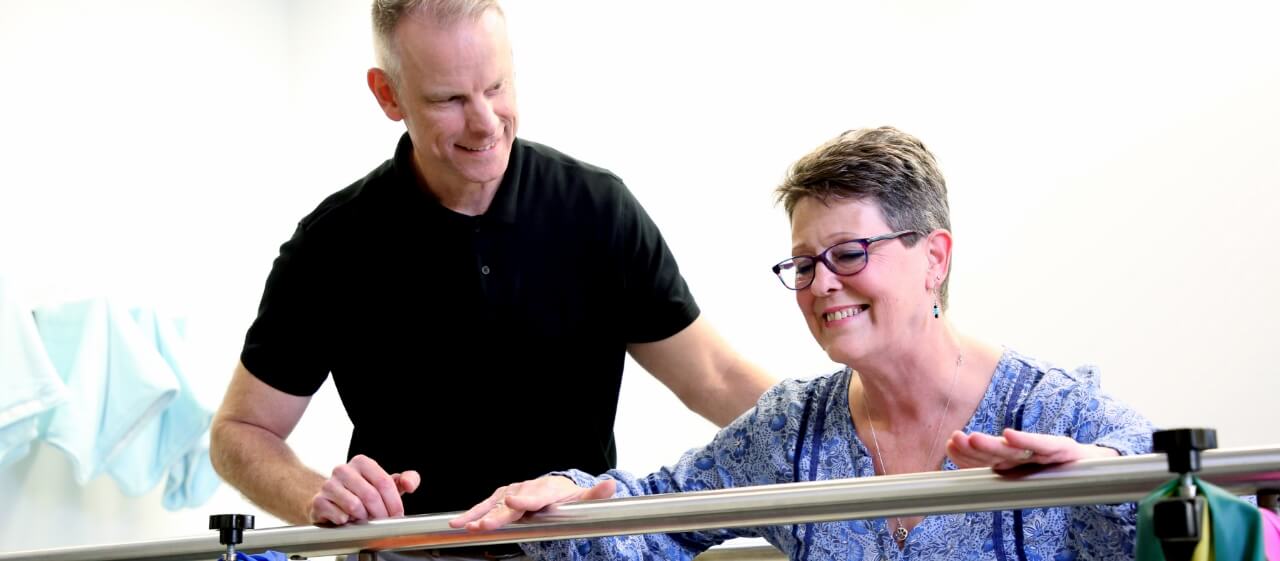
How Occupational Therapy Can Help with Upper Extremity Injury Recovery

Injuries to the arms, wrists, elbows, or shoulders can make simple daily tasks difficult. Activities like gripping objects, lifting, or dressing may become painful and frustrating. Many assume that rest alone will heal these injuries, but prolonged inactivity can lead to stiffness, weakness, and delayed recovery. Occupational therapy offers a structured approach to upper extremity injury therapy, helping individuals restore mobility, build strength, and regain function.
How Upper Extremity Injuries Affect Daily Life
The shoulder, elbow, wrist, and hand work together to support movement in everyday tasks. Injuries to these areas can limit range of motion, reduce grip strength, and make once-simple activities challenging.
Common Upper Extremity Injuries
Repetitive Strain Injuries
- Carpal tunnel syndrome and tennis elbow develop from repetitive motions and poor ergonomics.
Fractures and Dislocations
- These injuries require rehabilitation to rebuild strength and mobility.
Nerve Compression Syndromes
- Conditions like cubital tunnel syndrome cause numbness, tingling, and weakness.
Post-Surgical Stiffness and Muscle Atrophy
- After surgery, the affected limb often loses strength and flexibility without proper therapy.
Tendon and Ligament Injuries
- Rotator cuff tears, ligament sprains, and joint instability require rehabilitation to restore stability.
Arthritis and Joint Degeneration
- Chronic joint conditions reduce function over time and may require long-term therapy.
The Role of Upper Extremity Injury Therapy
Occupational therapy provides hands-on treatment and functional training to improve movement, reduce pain, and restore independence. A combination of techniques can help patients regain control and function.
Key Upper Extremity Injury Therapy Techniques
Pain Management Techniques
- Reducing discomfort while maintaining movement.
Manual Therapy
- Hands-on techniques improve joint mobility and reduce stiffness.
Strength and Coordination Exercises
- Gradual progression of exercises to restore control.
Task-Specific Training
- Focused activities help with job duties, hobbies, and self-care tasks.
Ergonomic Education
- Adjusting workstations and daily movements to prevent re-injury.
Occupational therapists guide patients through each stage of recovery, ensuring safe, effective rehabilitation.
How Renue Physical Therapy Helps Patients Recover Faster
At Renue Physical Therapy, occupational therapists provide individualized treatment plans that focus on restoring movement and function.
Key Benefits of Occupational Therapy
Joint Mobilization
- Techniques that improve flexibility and reduce stiffness.
Functional Movement Retraining
- Exercises that enhance grip strength and dexterity.
Adaptive Strategies
- Recommendations for tools or techniques to make daily activities easier.
Education on Self-Care Techniques
- Helping patients maintain their progress between therapy sessions.
Focusing on a patient-centered approach, Renue Physical Therapy helps individuals recover efficiently and safely.
Why Early Occupational Therapy Matters
Seeking upper extremity injury therapy early in recovery can prevent complications and speed up healing. Patients who begin therapy sooner experience the following:
- Less stiffness and pain due to early movement and controlled exercises.
- Improved strength and coordination, reducing the risk of long-term limitations.
- Lower chances of developing compensatory movement patterns that strain other areas.
- Faster return to work and daily routines with improved mobility and function.
Delaying therapy can prolong recovery, increase discomfort, and lead to permanent limitations. Early intervention offers the best chance for a full recovery.
Long-Term Success Through Ongoing Therapy
Recovery does not stop when symptoms improve. Continuing with occupational therapy ensures:
- Sustained strength and flexibility through a tailored home exercise program.
- Periodic assessments to track progress and address any lingering movement restrictions.
- Ergonomic recommendations to prevent future injuries and discomfort.
- Education on body mechanics to protect the joints and improve function in daily life.
By following a structured therapy plan, patients can maintain strength, function, and independence long after their initial injury heals.
Start Your Recovery Today
Ignoring an upper extremity injury can lead to chronic pain, limited mobility, and long-term weakness. Seeking upper extremity injury therapy at Renue Physical Therapy provides a structured, evidence-based recovery plan that restores movement and function.
Taking action early can make all the difference. If pain or mobility issues are interfering with your daily life, schedule an appointment with Renue Physical Therapy in Michigan today to begin your recovery.