
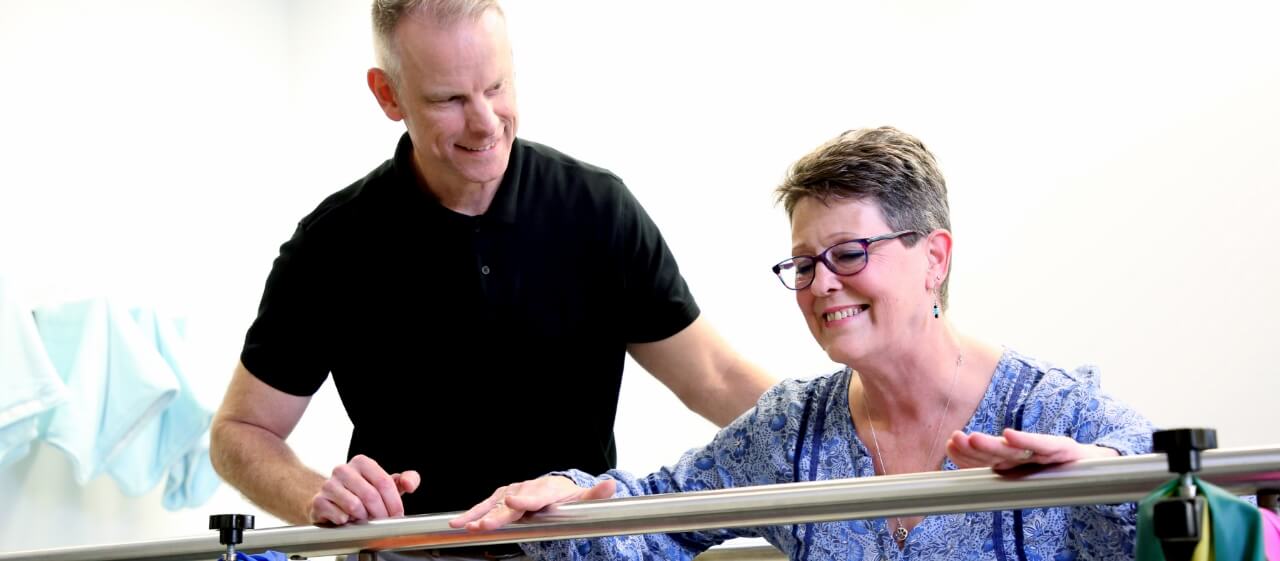
Navigating Neurological Conditions with Occupational and Physical Therapy

Neurological conditions can make everyday activities like getting dressed, cooking, or even remembering appointments difficult and frustrating. Many individuals face physical limitations, cognitive changes, or motor impairments that impact their ability to live independently. While these challenges can feel overwhelming, occupational and physical therapy for neurological conditions offers comprehensive solutions to improve function, mobility, and overall quality of life.
Occupational therapists (OTs) provide targeted strategies to restore lost skills, enhance independence, and improve daily routines for those navigating stroke recovery, brain injuries, Parkinson’s disease, or other neurological disorders. Through customized therapy plans at Renue Physical Therapy, individuals can regain confidence and control of their lives.
In contrast, physical therapists (PTs) focus on restoring overall strength, mobility, and balance. Where OTs look at daily activities and necessary tasks, physical therapists help create the foundation to better perform those activities. Together, OT and PT can make a significant difference in your quality of life.
Understanding the Issue: The Impact of Neurological Conditions
Neurological conditions affect how the brain, spinal cord, and nerves communicate with the rest of the body. Depending on the condition, individuals may experience:
- Difficulty with coordination and fine motor skills
- Muscle weakness, tremors, or rigidity
- Memory loss and cognitive impairments
- Challenges with speech, vision, or balance
- Fatigue and decreased endurance for daily activities
- Increased risk of falls or difficulty navigating environments
These issues can make simple tasks frustrating and exhausting, leading to a loss of independence and a decline in overall well-being. However, with physical and occupational therapy for neurological conditions, individuals can adapt to these challenges and improve their ability to function effectively.
What Can Be Done? Physical and Occupational Therapy Strategies for Neurological Conditions
Our PTs and OTs use a combination of targeted exercises, hands-on techniques, environmental modifications, and adaptive strategies tailored to each person’s unique needs.
1. Stroke Rehabilitation
- Regaining lost motor skills through repetitive movement training and coordination exercises.
- Cognitive and perceptual retraining to address memory, attention, and problem-solving deficits.
- Relearning essential tasks like dressing, bathing, and meal preparation to restore independence.
2. Traumatic Brain Injury (TBI) Support
- Progressive, appropriate exercise to improve coordination, balance, and mobility.
- Cognitive rehabilitation to improve memory, focus, and executive functioning.
- Emotional regulation techniques to manage frustration, anxiety, and mood changes.
- Community reintegration strategies to support returning to work, school, or social activities.
3. Managing Parkinson’s Disease
- Techniques for reducing tremors and improving coordination in daily tasks.
- Targeted exercises to stay active and slow the progression of symptoms.
- Balance and gait training to reduce fall risks and maintain mobility.
- Fine motor skill exercises to assist with handwriting, buttoning clothes, and other detailed tasks.
4. Multiple Sclerosis (MS) Treatment Approaches
- Exercises to maintain muscle strength, endurance, balance, and coordination.
- Energy conservation strategies to reduce fatigue and increase endurance.
- Adaptive equipment recommendations to simplify activities of daily living.
- Pain and sensory management techniques to address numbness, tingling, and weakness.
5. Dementia and Alzheimer’s Disease Support
- Techniques to reduce fall risk and encourage regular physical activity.
- Memory strategies and cognitive exercises to maximize brain function.
- Environmental modifications to enhance safety and reduce confusion.
- Caregiver education on communication techniques and behavior management.
6. Spinal Cord Injury (SCI) Rehabilitation
- Training in wheelchair mobility and positioning for comfort and accessibility.
- Strengthening and coordination exercises to maximize independence and reduce pain.
- Bladder and bowel management strategies to improve daily function.
7. Other Neurological Conditions Treated
- OTs and PTs also provide care for individuals with:
Amyotrophic Lateral Sclerosis (ALS)
- Adaptive techniques to maintain function.
Guillain-Barre Syndrome
- Strengthening and mobility restoration.
Cerebral Palsy
- Improving movement, coordination, and independence.
Peripheral Neuropathy
- Sensory training and pain management.
Vestibular Disorders
- Balance retraining and fall prevention.
How We Help: Personalized Physical and Occupational Therapy for Neurological Conditions at Renue Physical Therapy
At Renue Physical Therapy, we take a comprehensive, patient-centered approach to treating neurological conditions. Our physical and occupational therapists use customized interventions that focus on:
- Enhancing strength, mobility, and balance through hands-on techniques and targeted exercises.
- Functional activities that align with each patient’s lifestyle and goals.
- Cognitive rehabilitation techniques to enhance memory, focus, and problem-solving.
- Motor skills training to rebuild coordination, balance, and fine motor control.
- Adaptive equipment recommendations to promote independence.
- Environmental modifications for safety and accessibility in the home and workplace.
- Caregiver education and training to provide long-term support.
We believe that every patient deserves a personalized approach to therapy, and we work closely with individuals to develop physical and occupational therapy for neurological conditions treatment plans that fit their unique needs. Whether the goal is returning to work, regaining mobility, or managing daily tasks with ease, we are committed to helping our patients achieve greater independence and confidence.
Final Thought: Take the First Step Toward Greater Independence
Living with a neurological condition doesn’t mean losing independence. With the right support, strategies, and comprehensive interventions, individuals can improve function, regain control, and enhance their quality of life.
If you or a loved one is struggling with stroke recovery, brain injury rehabilitation, or movement difficulties, physical and occupational therapy may be the solution to regaining independence.
Contact Renue Physical Therapy in Michigan today to learn more about our comprehensive approach to managing neurological conditions with physical and occupational therapy–and take the first step toward a more functional and fulfilling life.