
Early (non-motor) Signs of Parkinson’s Disease

The Parkinson’s Foundation promotes Parkinson’s Awareness Month each April to help develop a better future for those with a Parkinson’s Disease (PD) diagnosis. This includes promoting ongoing research of the disease, encouraging access to life-changing care, and helping people navigate their diagnosis.
An important part of raising awareness is to help people recognize the early signs of PD. Many people are familiar with PD symptoms like tremors and balance challenges, but there are some early non-motor symptoms that may signal early PD. One of these symptoms alone is likely no cause for concern, but those with more than one sign should consult their doctor for further evaluation.
Early Non-Motor Signs of Parkinson’s Disease:
- Gastrointestinal problems. Also known as Gastroparesis, some people experience a sensation of feeling full quickly when eating, nausea, and constipation. This is caused by slowed movement of food through the body.
- Loss of smell (hyposmia). Most people with PD lose some of their sense of smell, and often this symptom occurs early on before other symptoms are noticeable.
- Sleep issues. Sleep problems including insomnia (difficulty falling asleep), restless leg syndrome and difficulty staying awake during the day can all be early signs of PD. Some people also experience REM sleep behavior disorder, in which their body “acts out” their vivid dreams while still asleep.
- Sexual dysfunction. Men may experience erectile dysfunction and women may experience poor lubrication. Difficulty achieving orgasm can be a symptom in both men and women.
- Mood disorders. Changes in brain chemistry during the onset of PD can lead to depression and/or anxiety.
Parkinson’s Disease and Physical Therapy
There is growing evidence that early intervention after a Parkinson’s Disease diagnosis may help preserve function of the neurons to reduce symptoms and slow progression of the disease. Physical therapy can help with difficulty or distortion in performing voluntary movements, improve the patient’s quality of life, and reduce the overall costs associated with a PD diagnosis.
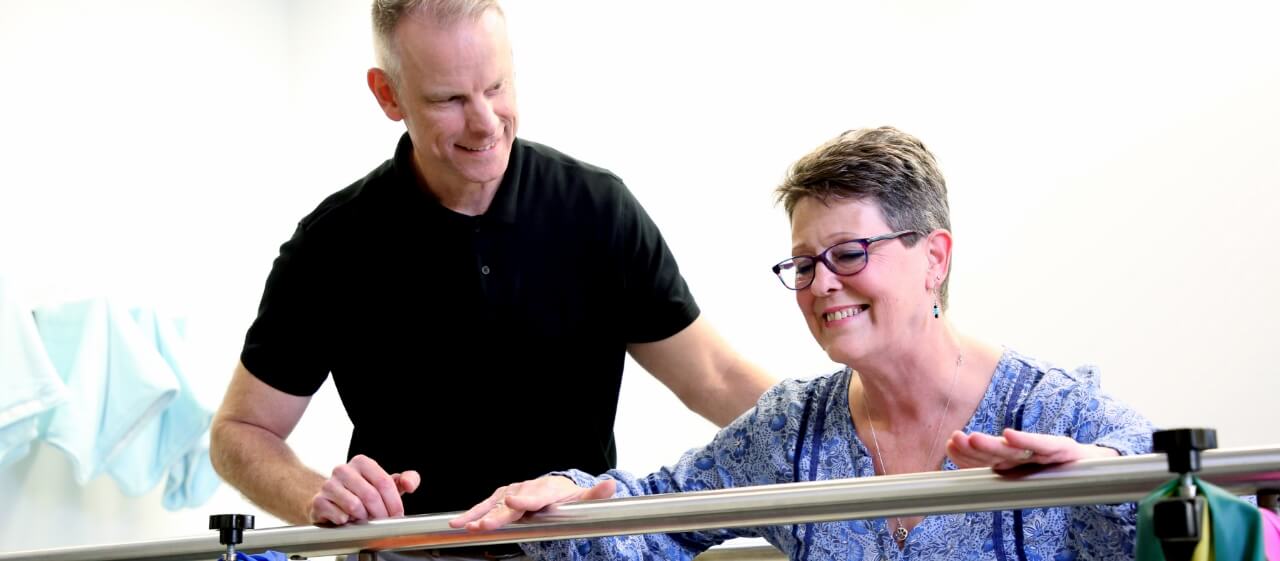
Physical therapy and consistent exercise are beneficial at all stages of PD, and are particularly important to help combat balance challenges. Because PD is a progressive condition, the physical therapist’s goal is to help maintain as much functioning as possible in each stage and slow down the progression of new or existing symptoms. The therapist can focus on tasks that are most important to or most difficult for the patient, including bed mobility, standing from a chair, and climbing stairs safely.
Consistency is Key
We always hear that consistency is important with exercise, but for people with PD, it’s extremely important. Long-term adherence to a customized exercise plan will help you achieve the maximum benefits. Keeping in regular contact with your physical therapist can help make necessary adjustments to your routine and give you the motivation to stay on track. Since people are more likely to stick with activities they enjoy, your physical therapist can help you find what’s most motivating for you. The range of intervention approaches can include treadmill work, dance, or even martial arts.
The Bottom Line: Find What Works for YOU
Everyone’s journey through a PD diagnosis is different, and an experienced physical therapist can help you design a plan that works best for your lifestyle. Learn more about physical therapy and Parkinson’s Disease at www.renuept.com/parkinsons.