
Living With Degenerative Disc Disease: What You Should Know
It is common for patients to arrive at our clinic with a diagnosis of degenerative disc disease, but unfortunately, this label is often misunderstood and rarely explains why someone is struggling with pain. Our team at Renue Physical Therapy is more concerned with how your spine functions day to day and less with the label describing what an X-ray or MRI showed. Our real goal is to identify what is actually causing your symptoms and how it is affecting your function.
How Therapists Connect Symptoms to Causes
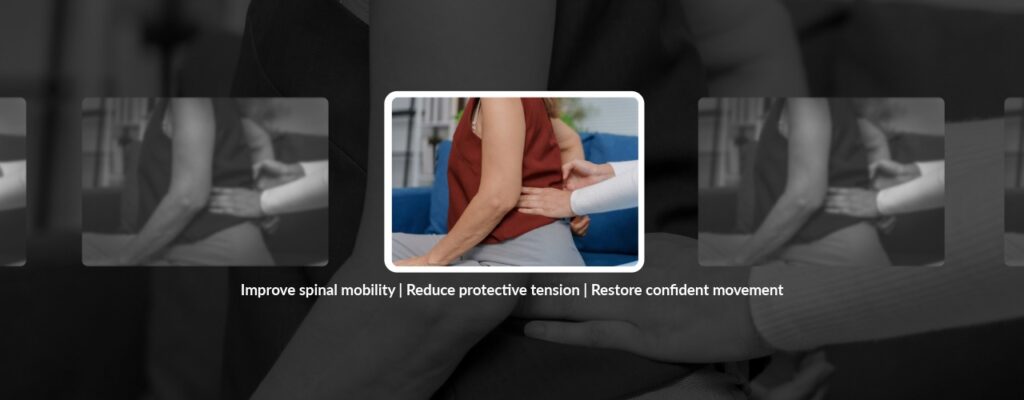
From a clinical perspective, symptoms are clues rather than answers, and these clues lead us to finding the best way to help you find relief. Some of the common symptoms people with degenerative disc disease may feel are stiffness in the morning, discomfort with certain movements, or fatigue after activity. These symptoms often develop because your body is trying to adapt to the changes caused by degeneration. Your muscles may tighten, sometimes called protective tension, because your joints are not able to move as freely as before the degeneration started, and this can lead to the surrounding tissues working harder.
Our therapists use your symptoms and then watch how you move to see if you have restrictions, limitations, or compensations. We’ll consider how the spine works with the hips, your core muscles, and how it affects your posture and ability to do other common movements. By connecting these patterns with your symptoms, we can often identify where treatment should begin.
What Therapists Ask During the First Conversation
The first conversation provides important insight into how the condition affects daily life. Instead of focusing only on the spine, therapists will also ask practical questions about movement and activity. They may ask about tasks that feel harder than they used to or movements that people tend to avoid.
Common questions often include:
- What typical daily activities feel painful or limited
- Which movements or activities cause the most discomfort
- What activities does someone hope to return to
- What strategies have helped or not helped
These questions help therapists understand the impact of degenerative disc disease on your normal daily routine.
What the Evaluation at Renue Physical Therapy Looks For
A physical therapy evaluation looks at several factors that influence how the spine moves and functions. The goal is not simply to confirm a diagnosis, but to understand how the body is affected by the changes to your spine.
During the evaluation, therapists often look for:
- How the spine and hips move during everyday motions
- Muscle strength that supports the spine
- Posture and movement patterns during sitting, standing, and walking
- Areas where joints feel stiff or restricted
These findings often explain why symptoms related to degenerative disc disease continue even when someone is trying to stay active.
How the Team Chooses the Right Treatment Approach
Once therapists understand what is driving symptoms, they build a treatment plan that matches those findings and the patient’s goals. Some people need help restoring mobility. Others benefit more from strengthening and movement retraining.
Your therapists will typically focus on improving how the body moves rather than simply managing symptoms. By addressing the underlying movement patterns, treatment helps support long-term function.
Treatment Highlights That Support Recovery
The therapists at Renue Physical Therapy use several hands-on and movement-based strategies to help patients improve function.
- Targeted exercises help restore strength and movement control so the spine is better supported during daily activity. This approach often focuses on improving coordination between the core, hips, and back.
- Manual therapy helps alleviate pain and reduce stiffness in the spine and surrounding tissues. Gentle hands-on techniques encourage smoother movement and allow the body to move with less resistance.
- Movement retraining helps patients learn how to perform daily tasks in ways that reduce strain on the spine. This can include strategies for bending, lifting, and transitioning between positions.
Each of these treatments is selected to help people living with degenerative disc disease regain confidence in movement and return to activities they enjoy.
Take the Next Step Toward Better Movement
Living with degenerative disc disease does not mean giving up the activities that matter most. At Renue Physical Therapy, clinicians focus on understanding how the body moves and building a treatment plan that supports strength, mobility, and confidence.
If you want to understand what may be contributing to your symptoms, contact Renue Physical Therapy in Michigan to schedule an evaluation and learn what to expect during your first visit.