
Bringing Light to Birth Trauma
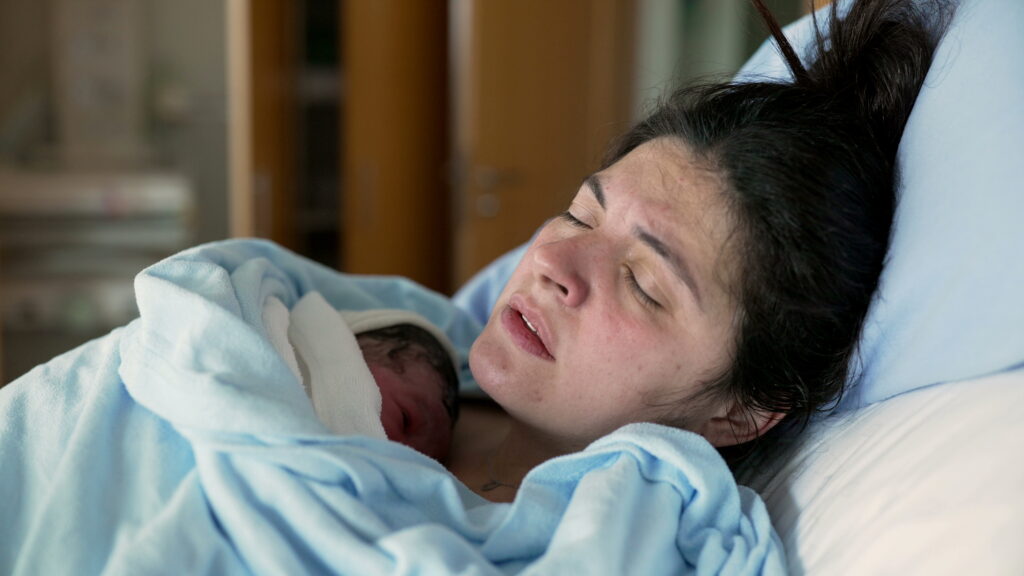

In the realm of childbirth, we often focus on the happy moments—the anticipation of the arrival, planning the nursery, picking out names, and of course, the first precious moments with your baby. Yet, for some parents, the experience is much different, and can be tainted by what is known as birth trauma. Birth Trauma Awareness Week falls on July 15th-21st of this year. The aim is to shed light on this often overlooked aspect of childbirth by offering support, understanding, and advocacy for those who have gone through these traumatic experiences.
Understanding Birth Trauma
Birth trauma refers to the distressing experiences during childbirth that affect and leave a lasting impact on the physical, emotional, or psychological well-being of the mother or birthing individual. It can occur due to a range of factors, including:
- Unexpected medical complications for mom or baby
- Physical trauma including tearing, too much bleeding, or use of forceps or a vacuum
- Emergency c-section
- Feelings of loss of control or your birth not going as expected
- You or your baby suffering a birth injury
- Your baby requiring medical attention following birth
- Feelings of lack of support during labor and delivery, and recovery
Afterwards, parents may have feelings of shame, guilt, failure, or helplessness due to events beyond their control.
For many, birth trauma manifests in symptoms such as post-traumatic stress disorder (PTSD), anxiety, depression, anger, panic attacks, obsessive compulsive disorder (OCD), or a general unease surrounding future pregnancies. Other effects that are common are overeating, excessive alcohol use, spending money, low self-esteem, and lashing out.
These effects can be profound and long-lasting, affecting not only the mother, but also their partners and families. If you experience any of these feelings or scenarios, know that you’re not alone. According to the National Institutes of Health, up to 45% of new mothers experience birth trauma. Additionally, new evidence suggests that trauma can be passed down through your DNA, meaning to your children and grandchildren.
Breaking the Silence
Due to the stigma of mental health issues and often the fear of being dismissed, judged, or not taken seriously, many mothers/parents feel that they should ignore their feelings and put on a happy face to the world. Because why wouldn’t you be happy? You just had a baby! However, it’s important to place value on your physical, emotional, and mental wellbeing, and know that trauma doesn’t resolve on its own. Recognize that your experience and feelings matter, and that you can give a voice to the trauma you went through. Doing this not only advocates for yourself, but helps to decrease the stigma and encourages others to share their experiences. Again, know that you’re not alone in your feelings or experiences, and you are always 100% in charge of your healthcare.
Informed Consent
Informed consent is essential for respectful and adequate maternity care. It ensures you understand procedures, risks, benefits, and alternatives for prenatal, childbirth, and postnatal care. You have the right to make decisions that are right for you and that align with your values. This is about respecting your choices, leading to a more personalized, positive, and supportive maternity experience for you and your baby. Yet, in healthcare, this can often be ignored or misunderstood, potentially causing trauma for birthing individuals and families. Ask questions and for clarification, know your options, have a written plan, and have someone who can advocate for you and your wishes.
How To Help
If you are a provider, family member, or friend of someone who has given birth, your role is important in being able to recognize signs of birth trauma and distress, but also providing support.
- Share Your Story: By sharing your story with other moms and birthing parents, it helps erase the stigma and gives a voice to your experience. This helps others feel comfortable and empowered to tell their own stories, and will hopefully advocate to improve the quality of care provided.
- As A Provider: Whether you’re a general practitioner, OB, midwife, physical therapist, doula, or any other type of provider caring for pregnant and postpartum patients, your role is extremely important. They are going through an experience that is joyous, but also difficult and fear provoking. You have the power to either make this experience memorable in a positive or negative way. The level of care you provide can make a difference on whether or not someone has lasting trauma. Know how to provide trauma informed care, make sure you’re providing informed consent and describing things thoroughly, help advocate for your patient’s wishes, and most importantly, practice with empathy and compassion.
- As A Support Person: Your role is important! When your birthing partner, friend, or family member is getting prepared for birth, you can work with them to know their plan and be their advocate. By becoming educated on signs of birth trauma, you can provide emotional, physical, and mental support, encourage them to get further treatment if necessary, and once again, be their advocate. Providing a listening ear, validating their feelings and experiences, and asking in what ways you can best support them are great starting points in helping in their healing journey.
Conclusion
Birth Trauma Awareness Week serves as a reminder that childbirth is a complex journey that can be beautiful and empowering, but also extremely challenging, and at times, traumatic. By shining a light on birth trauma, we honor the resilience of those affected, and work towards creating a more compassionate and supportive environment for birthing parents and families. Together, we can foster understanding, empathy, and meaningful change in maternity care practices worldwide.
As we observe Birth Trauma Awareness Week, let us come together to support those who have been impacted, amplify their voices, and advocate for a future where every birthing person feels heard, respected, and empowered.
References and support:
Share your story here:

Hi, Dr. Katie here, the writer of this blog post. I’m extremely passionate about providing care for pregnant and postpartum individuals. I have so much empathy for the experiences that we go through to bring life into this world, and understand first-hand how trauma can affect you. As the goal of this blog is to spread awareness of birth trauma, I feel compelled to tell my own story.
I was due for identical twin girls in July of 2023. I was getting ultrasounds every two weeks to make sure they were growing well and monitoring for complications. We were nervous as we didn’t know what to expect, but also SO excited to have two babies to love. We had everything prepared for the arrival of our girls… two car seats, a twin bassinet, double strollers, a twin bassinet, and twin themed onesies. On May 25th, 2023, at 31 weeks and 3 days, I went in for my first non-stress-test (NST), and found out that our sweet baby A, Piper, had no heartbeat. This pain is indescribable. I was placed on bedrest and 24/7 monitoring until it was time to deliver our survivor, Juniper. We made it 10 days and completed an elective c-section, as Juniper started to have low heart tones. Our girls were delivered at 32 weeks and 5 days, and Juniper had a NICU stay for 29 days.
When we were in the hospital, having a care team that was supportive, understanding, and empathetic definitely made a difference. I talked to multiple physicians and providers, and they took their time explaining everything thoroughly, what our options were, and what the implications of each choice was. If the level and quality of care we were provided was poor, that would have made our experience so much worse. So if you are a provider reading this, please take this information and know how important your role is.
The loss itself, the unknowns, not being able to take Juniper home or have the “normal” birthing experience of skin-to-skin, snuggles, practicing breastfeeding, and taking her home shortly after birth, were all traumatic. Everything was bittersweet. We were so grateful for Juniper to be healthy, and at the same time, devastated to lose our sweet girl, Piper. We had plans to come home with two babies, and came home with zero. It’s safe to say I was in survival mode for quite some time.
Looking back, I realize I was numb. My main focus was being there for Juniper, and I felt like I didn’t have time to deal with actively grieving or processing my trauma. Once she came home and things settled, I felt like I was hit by a train all over again. I had PTSD, OCD, anxiety and depression (which I am still working on treating). I had no appetite, I wanted to isolate myself from everyone, and at times I felt it difficult to bond with my baby. If you’ve had a baby, you know about the postpartum mood swings. Going through trauma, that can be amplified, and it sure was for me. I felt angry, sad, and guilty. But what helped me was to have a good support system. My husband and family knew I needed extra care when I said that I was “managing” just fine. For me, that extra care was going on additional medications and going to therapy.
Know that grief and healing from trauma doesn’t have a timeline, there aren’t phases or steps, and it’s not something to just “get through;” it’s not a problem to be fixed. It’s something that you live side by side with by learning how to cope. It doesn’t go away on its own, and sometimes, it’s necessary to have extra care. Some days are much harder than others, and that’s ok…and normal. I’m still learning to cope, I’m still processing my trauma and grief. I still get triggered. What I’ve learned, and what I’m still working on, is giving myself grace and time, and not to have expectations for what this healing looks like. If you take anything from this blog or story, I hope it’s that you learn that you are not alone, that your experience and feelings are valid, that there’s hope, and resources for help. If you feel comfortable, I’d love to hear your story. You can email me at kouillette@renuept.com.