

The Pain-Relieving Benefits of a Healthy Diet
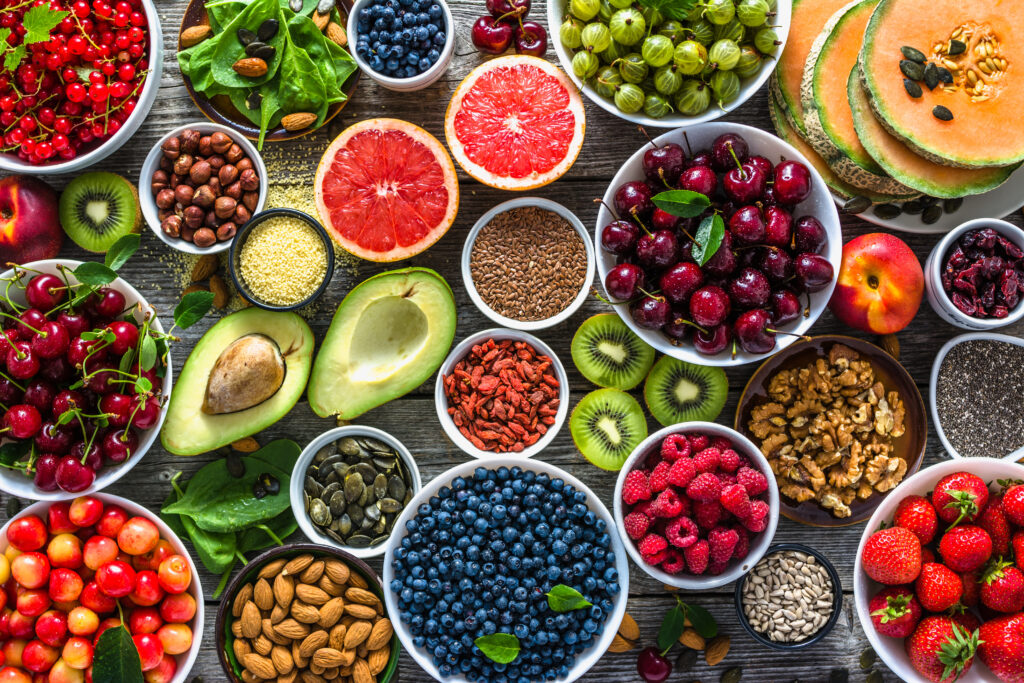
Has your pain been steadily worsening? If so, you may want to reconsider your eating habits. Some people eat to survive, while others eat to thrive – and still, others unknowingly feed their chronic aches and pains.
Eating too much or the wrong foods can trigger inflammatory responses, resulting in muscle, nerve, or joint pain.
Certain foods have been shown to reduce inflammation, while others have been shown to aggravate it. Indeed, “a lot of chronic pain is the result of chronic inflammation,” according to Harvard Health Publishing, “and the evidence is quite strong that your diet can contribute to increased systemic inflammation.”
Although physical therapists are not nutritionists, they do provide nutritional advice to patients on a regular basis. Dietary changes can make a huge difference in reducing or eliminating pain in some chronic conditions.
Fortunately, as part of a holistic physical therapy program, you can reverse unhealthy habits by implementing a comprehensive nutritional strategy. Contact Renue Physical Therapy today to schedule an appointment with our talented therapists. Don’t hesitate to learn more about physical therapy and how they can supplement a healthy, wholesome diet.
Unhealthy foods to avoid
How often have you heard the phrase “you are what you eat?” This statement is more relevant than you might think.
Certain foods are known to trigger or aggravate inflammatory responses and chronic pain. If you regularly consume the following foods, you may be contributing to your pain:
- Foods heavy in processed sugars and/or trans fats (including cookies, donuts, and margarine)
- Potatoes, tomatoes, eggplant, and other members of the nightshade family
- Red meat
- Caffeinated foods and drinks
- White bread or other highly-processed carbs
- Alcohol
These foods can be harmful to your health in a variety of ways. For example, sugar and aspartame raise insulin levels while also increasing pain sensitivity.
Caffeine and tomatoes both raise body acidity, which promotes inflammatory pain. However, the end result of all of these foods (and a few others) is the same: an increase in aches and pains. Poor dietary and nutritional choices, in addition to increasing your pain, can also increase your waistline.
This excess weight can hasten joint degeneration and aggravate arthritis pain. It can also put undue strain on your muscles as they attempt to support your heavier body. Obesity can promote the development of bulging or herniated discs, which can result in neurological issues such as sciatica.
Painful conditions directly related to your diet
A number of common conditions in the United States are directly related to diet and nutrition.
Here are a few examples of conditions where nutritional advice will most likely be part of the patient’s physical therapy plan:
- Autoimmune disorders. In America, the combined total of patients with various autoimmune disorders (such as Crohn’s disease, multiple sclerosis, type 1 diabetes, and rheumatoid arthritis) now outnumbers cancer patients by a wide margin. Autoimmune disorders are frequently linked to dietary deficiencies in patients.
- Diabetes. Diabetes and pre-diabetes are risk factors for more serious conditions such as heart disease, kidney disease, and blindness. More than 90% of diabetic patients experience neuropathic pain. Diet and nutrition will play an important role in the treatment of these illnesses.
- Inflammation. Inflammatory foods such as vegetable oils are common in American diets. This can aggravate pain caused by inflammation. A physical therapist may recommend a diet high in antioxidants and anti-inflammatory foods to help manage pain.
- Obesity. Obesity-related pain can become a vicious cycle. The more overweight a person is, the more joint pain they have, which may cause them to be more sedentary. Lack of physical activity causes them to gain weight, which causes them to experience more pain.
- Osteoarthritis. Obese people are more likely to develop arthritis, particularly in their knees. When a person is diagnosed with knee osteoarthritis, controlling their weight becomes the most important part of controlling their arthritis and pain.
The powerful combination of proper nutrition and physical therapy
The good news is that the right foods can help you fight inflammation in the same way that the wrong foods can make it worse. Simply changing your diet can put you on the path to less pain and better health.
Fruits, vegetables, fish, whole grains, and healthy oils like olive oil are all delicious options in the Mediterranean diet that have a high nutritional value and a low inflammatory potential.
Even small changes, like swapping out spices, can make a big difference in your pain levels. Turmeric, for example, is a potent natural anti-inflammatory. Your physical therapist will be able to advise you on the best dietary changes to make to help you manage your pain.
Weight management is another important aspect of pain management. Your physical therapy plan may include recommendations on how many calories you should consume, what types of foods you should eat to avoid becoming overweight, and any other changes to your eating schedule or patterns.
Increased physical activity will help you get the most out of your new diet. For example, strength training raises your metabolic rate, allowing your body to burn calories more efficiently.
Other physical therapy techniques for chronic aches and pains will assist you in becoming more mobile, allowing you to increase your workouts, lose weight, and reduce stress on your joints and tissues.
Pain relief is possible today
With the help of a physical therapist, eating healthy and staying active doesn’t have to be a struggle.
There are so many different ways to begin introducing healthy eating habits into your lifestyle. Making this change, and participating in physical therapy, could change your life in ways you’ve never imagined!
To learn more about our services and to schedule an appointment, contact Renue Physical Therapy today!