
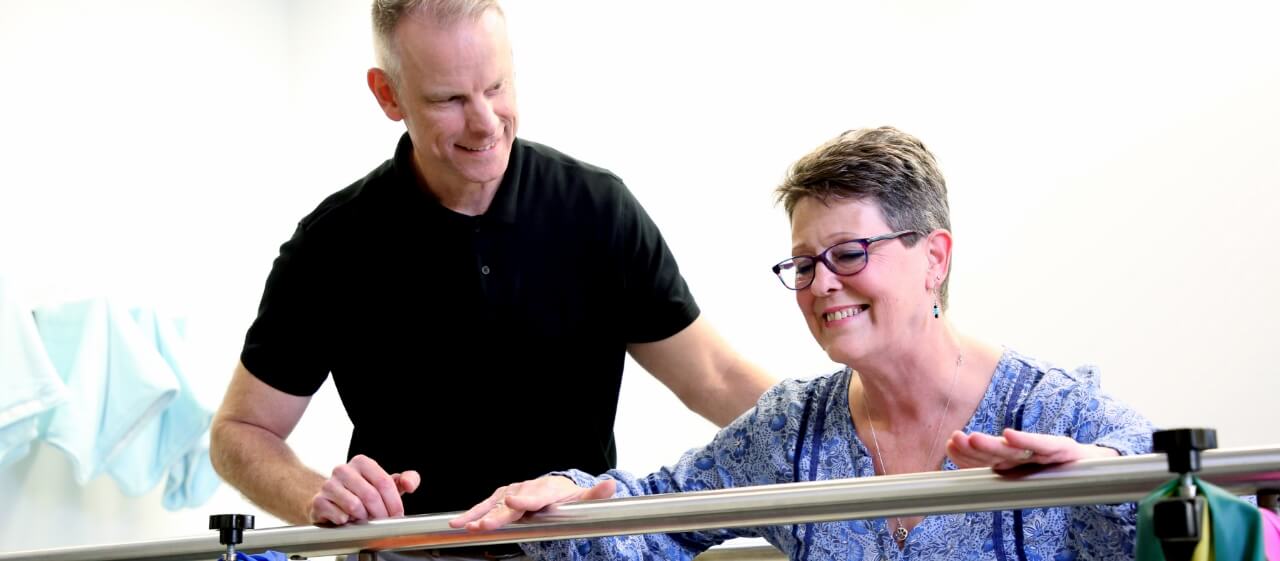
Worried About an Upcoming Surgery? Find Support in PT & OT!

Did you know that rehabilitation before surgery is just as important as it is after surgery? That’s correct! When you are facing surgical correction of a joint or muscle, it is critical that you seek physical and occupational therapy.
Physical therapy has been shown time and again to help people prepare their bodies for surgery. Physical therapy prior to surgery can also improve the recovery process, allowing you to return to full strength as soon as possible after your procedure.
Occupational therapy can also help a person adjust to life after surgery by teaching them new ways to move around their home or workplace.
Meeting with a therapist for the first time should not be postponed until after your surgery! Preoperative physical therapy or prehab has been shown to be just as beneficial as postoperative physical therapy.
If you are going through a surgical procedure, it is a good idea to talk to your surgeon about your physical therapy options. They can collaborate with your physical therapist to develop a quick plan of action to ensure the best results during your recovery.
Contact Renue Physical Therapy today to find out more about the advantages of pre- and post-operative physical and occupational therapy.
What are the benefits of prehab?
Pre-surgical rehabilitation with physical therapy is intended to assist the body in regaining as much strength as possible in the area surrounding the surgical site, thereby improving the body’s ability to recover following your surgical procedure.
According to Bone & Joint, “prehabilitation allows [a] physical therapist to explain how your joints, ligaments, and muscles work together to create movement. Pre-habilitation also allows your therapist to measure your current range of motion and discuss your goals for recovery after surgery. After surgery and rehabilitation, some people achieve a greater range of the movement or compete at higher levels than they did before their injury or condition.”
Your physical therapist at Renue Physical Therapy will work with you to improve strength and functionality in the areas immediately surrounding the targeted injury site during prehab. They will also go over your post-operative treatment plan with you and tell you when you can expect to start performing exercises and stretches.
Many patients begin physical therapy as soon as they can stand, sometimes as soon as the next day following surgery. Rest assured that your physical therapist’s goal is never to cause you pain or discomfort, so if you have any concerns about your treatment, please let him or her know.
Prehab often includes the following modalities:
- Stretching and mobility training
- Muscle training
- Hot and cold therapy
- Massage
What are the benefits of post-surgical rehab?
Many people are not surprised to learn that physical or occupational therapy may be required following surgery. The sooner you begin therapy after surgery, the greater the impact physical therapy can have on your recovery!
It is usually recommended that you discuss your therapy options with your surgeon and therapist prior to surgery, so that you can schedule your first post-operative care session as soon as possible after your surgery.
Therapy usually begins after the surgical site’s wound has healed and your body is ready to start healing the torn tissue or damaged joint. If the corrected tissues, ligaments, tendons, and muscles are not treated with physical therapy, they will become stiff and scar tissue will form. This will limit your range of motion and may also cause atrophy, further limiting your comfort and strength in the area that was operated on.
Post-surgical rehabilitation with physical therapy can help you relieve pain, regain strength, and shorten your recovery “downtime.” Your physical therapy program will be tailored to your specific requirements.
You will discuss the severity of your injury as well as the details of your surgical procedure during your initial consultation with your physical therapist. Following that, your physical therapist will assess your range of motion and strength, as well as collaborate with your physician or surgeon to develop the best possible treatment plan for you.
Massage therapy, hot and cold therapy, range of motion/mobility training, and guided stretching and muscle training are the most common therapeutic techniques used. Your physical therapist will also give you instructions for exercises you can do at home, which will help you recover even faster!
We can help you feel better faster
The recovery period is critical both before and after undergoing any type of surgical repair. Contact our therapy clinic as soon as you learn about your surgical plans. One of our skilled physical or occupational therapists will collaborate with you and any other medical professionals involved in your surgery to ensure you receive the most comprehensive care possible.
We are looking forward to helping you through your recovery.